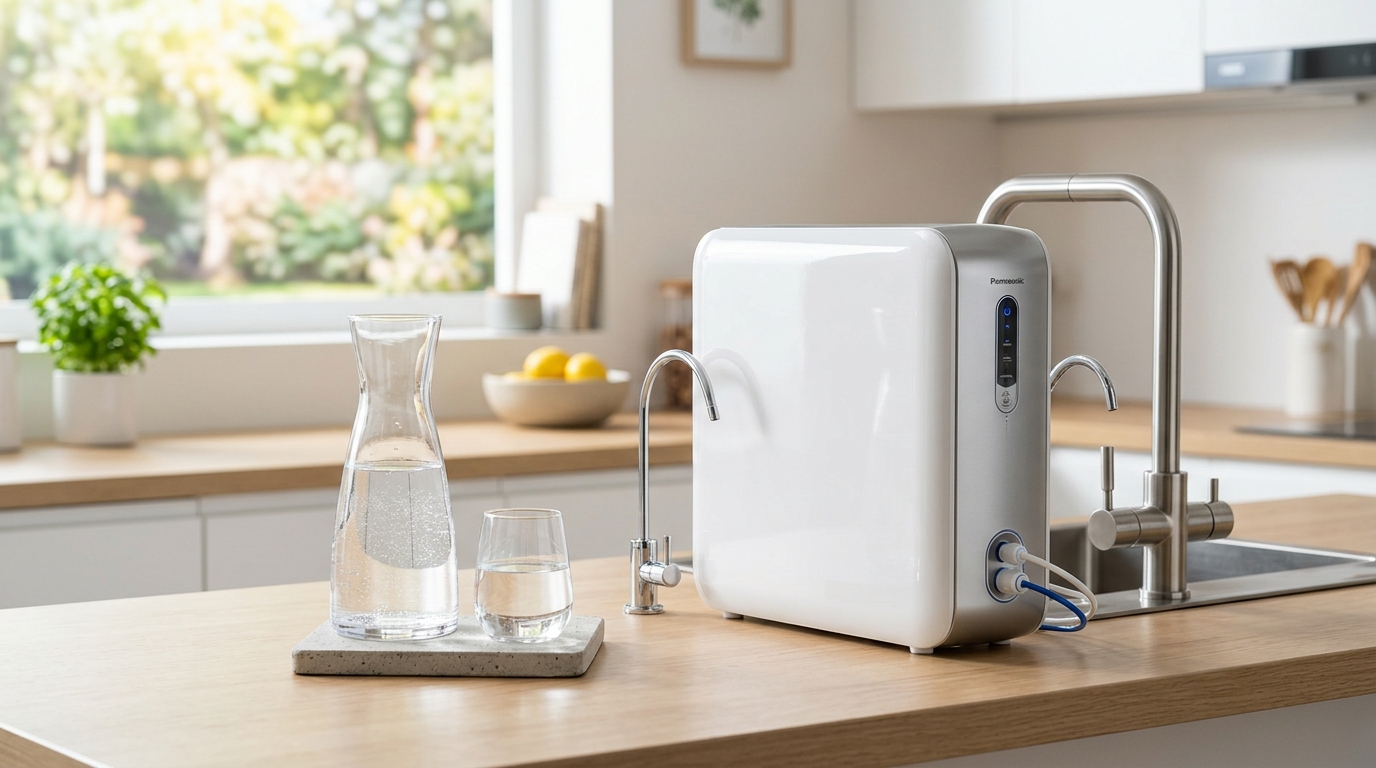
Yes, for many households, an RO water purifier stands out as the best water purifier for home, especially where tap water quality is a concern. Its advanced filtration capabilities effectively tackle various contaminants, offering a superior level of purification compared to other systems. Understanding the nuances of water purifier price and features is key to selecting the right model for your household in Jaipur.
An RO (Reverse Osmosis) water purifier works by forcing water through a semi-permeable membrane. This process is highly effective at removing a wide range of dissolved solids and impurities. Specifically, it targets heavy metals like lead and arsenic, dissolved salts, pesticides, fluoride, nitrates, and even microscopic organisms such as bacteria and viruses. While traditional filters might only remove larger particles and sediment, an RO water purifier provides a much finer level of filtration, ensuring your drinking water is truly free from hidden contaminants that can affect taste, odor, and health. The presence of these contaminants can lead to various health concerns, making advanced purification a critical necessity.
Determining the need for an RO water purifier in Jaipur often depends on your local water supply quality. Common warning signs include visible impurities, a peculiar taste or odor in your tap water, or limescale buildup in kettles and pipes. If you live in an area known for hard water or industrial pollution, or if municipal reports indicate high TDS levels, an RO system is highly advisable. Many residents of Jaipur specifically opt for an RO water purifier due to the varying water quality across different localities, which can fluctuate significantly. A simple TDS meter can help you measure the Total Dissolved Solids in your water; levels above 500 ppm generally indicate a strong need for RO purification to safeguard your family's well-being.
The water purifier price for an RO system can vary significantly based on brand, features, capacity, and the specific purification stages included. Typically, you can expect a good quality domestic RO water purifier to range from ₹8,000 to ₹25,000. Basic models with essential features fall on the lower end, while advanced systems with additional UV, UF, or mineralizers, or higher storage capacities, will be at the upper end. It’s important to consider not just the initial purchase price but also the long-term value provided by the system.
Installation costs are often included in the purchase price, but it's always wise to confirm this with your dealer. Factors like annual maintenance contracts (AMCs) and filter replacement costs should also be considered in your overall budget.
Regular maintenance is crucial for the efficient functioning and longevity of your RO water purifier. Generally, pre-filters and sediment filters, which handle initial particulate removal, should be replaced every 3-6 months, depending on your water quality and usage. The RO membrane, which is the heart of the system, typically requires replacement every 12-24 months. Other filters like activated carbon or UV lamps may have different replacement schedules. Skipping timely filter changes can reduce the purifier's effectiveness, increase electricity consumption, and even damage the system. Most service providers offer annual maintenance contracts that cover periodic checks, cleaning, and filter replacements, providing convenience and ensuring consistent water quality.
When selecting the best water purifier for home, several critical factors must be carefully considered. First, assess your water source and its contamination levels, often indicated by TDS. For high TDS, an RO system is essential. Beyond this, look for systems with multiple purification stages (e.g., sediment, activated carbon, RO, UV, UF) to ensure comprehensive purification.
Consider the storage capacity that suits your family's needs, as well as the water wastage ratio, if environmental concerns are a priority. Certification from reputable health organizations can also offer reassurance. Finally, evaluate the availability of reliable after-sales service and readily accessible spare parts in your area, as consistent support is vital for long-term satisfaction.
While an RO water purifier offers superior purification, there are a few considerations. One primary concern is water wastage; RO systems typically produce a significant amount of wastewater. However, modern purifiers are becoming more efficient, and this reject water can often be repurposed for gardening, cleaning, or other household uses. Additionally, the RO process can remove essential minerals from the water along with impurities. Many contemporary RO systems address this with a mineralizer or TDS controller that adds back beneficial minerals to ensure healthy drinking water. Energy consumption is another factor, as RO systems require electricity to operate. However, the health benefits and the assurance of consuming clean, safe water often outweigh these minor drawbacks for most households, making an RO system a worthwhile investment for superior hydration and family well-being.